7 Ways a Dull Blade Costs You Money — Beyond the Replacements You Keep Buying
That drawer of once-good blades doesn't need replacing — a gentle five-stage tungsten and ceramic system restores their edge and stretches every knife's lifespan.
Claim offer →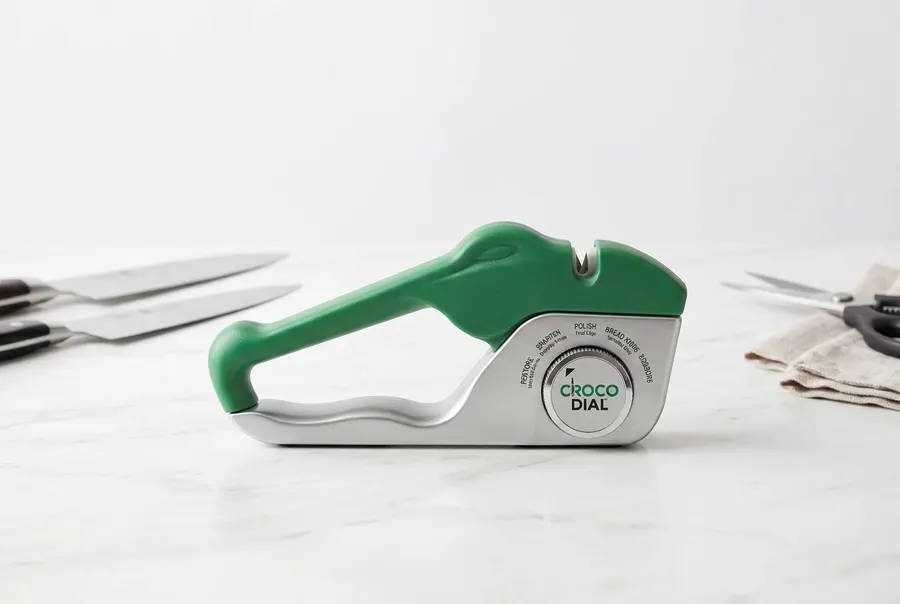
Somewhere in your kitchen there's a drawer full of knives that used to be good. They didn't wear out — they just went dull, slowly, until slicing a tomato felt like sawing rope.
Most cooks assume the fix is a trip to the store. It usually isn't.
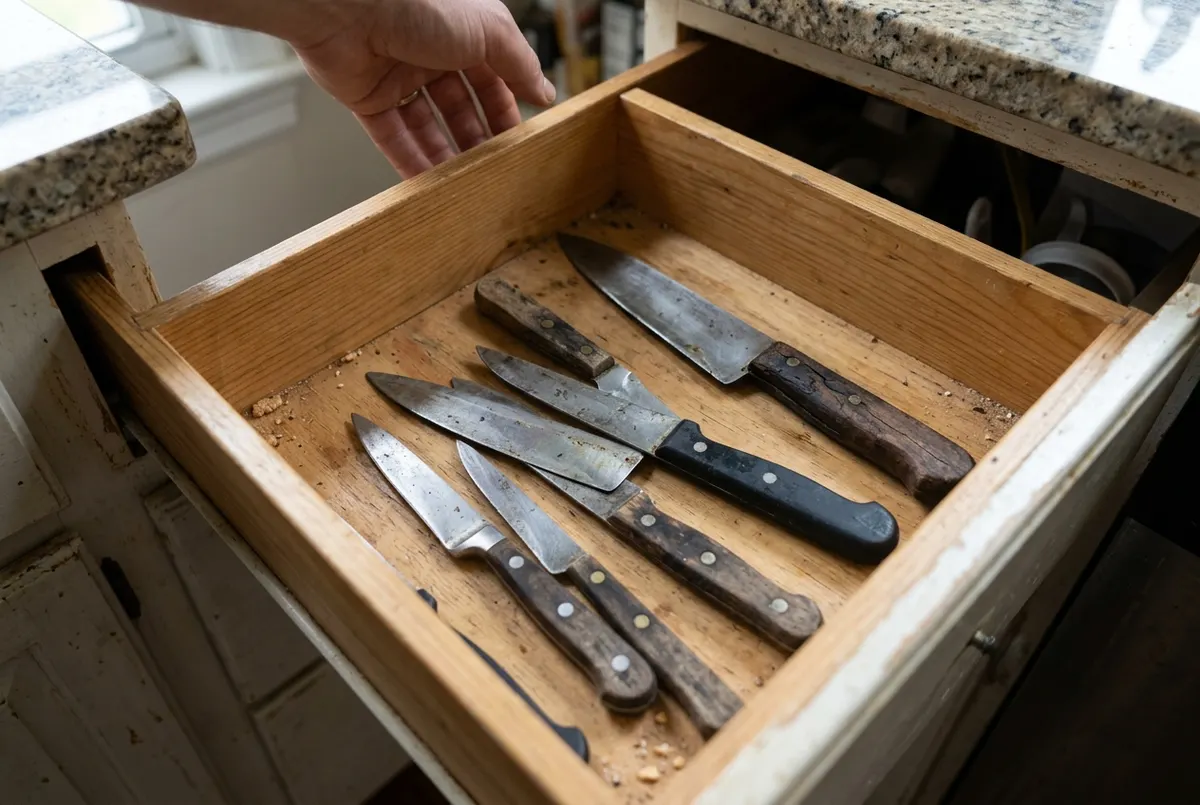
That Drawer of "Dead" Knives Isn't Actually Dead
A dull knife is almost never a broken knife. The steel is fine — the edge has just folded over microscopically from months of chopping. Bring that edge back and the blade cuts like it did the day you bought it. Most home cooks toss knives that only needed a few passes to feel new again.
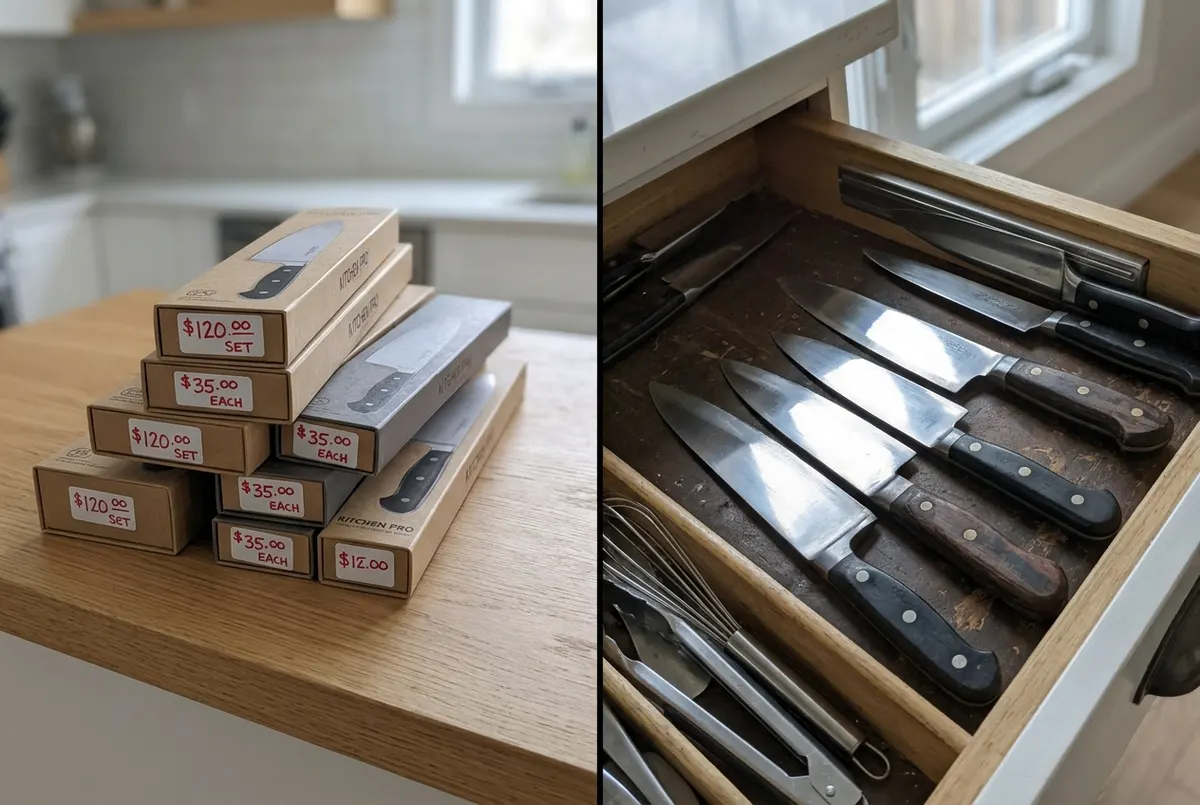
Buying New Knives Is the Most Expensive Habit in the Kitchen
Replacing a dull knife every year adds up fast — a decent chef's knife alone can run more than a whole restoring tool. A sharpener is a one-time buy that keeps working for years. Rescuing the blades you already own quietly saves you hundreds over the life of your kitchen, and you never lose the knives you're used to.
See the Savings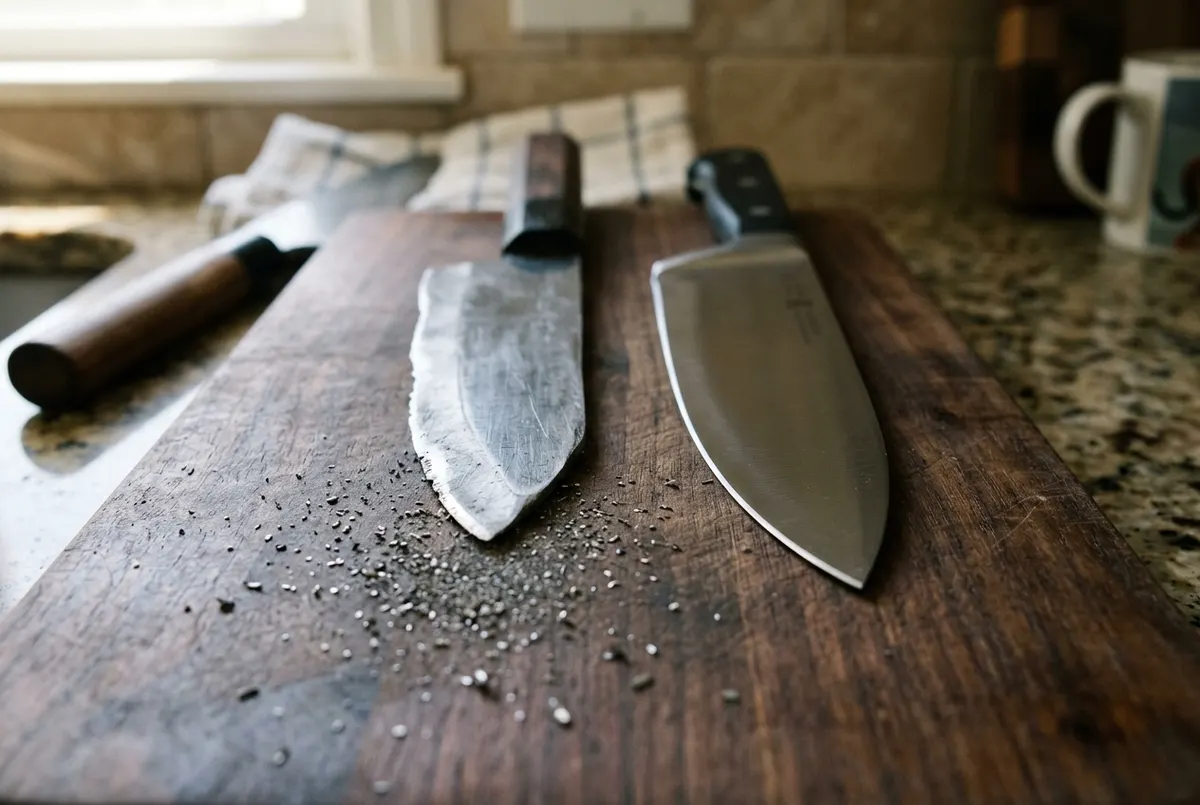
The Grind That Wrecks Blades — and How to Skip It
Cheap sharpeners fix a dull edge by grinding away metal — aggressive, hot, and permanent. Every pass eats into the blade, so a knife that gets "sharpened" that way slowly disappears. A gentle, multi-stage approach shapes the edge instead of chewing through it, which is why the right method actually extends a knife's life rather than shortening it.
Protect Your Blades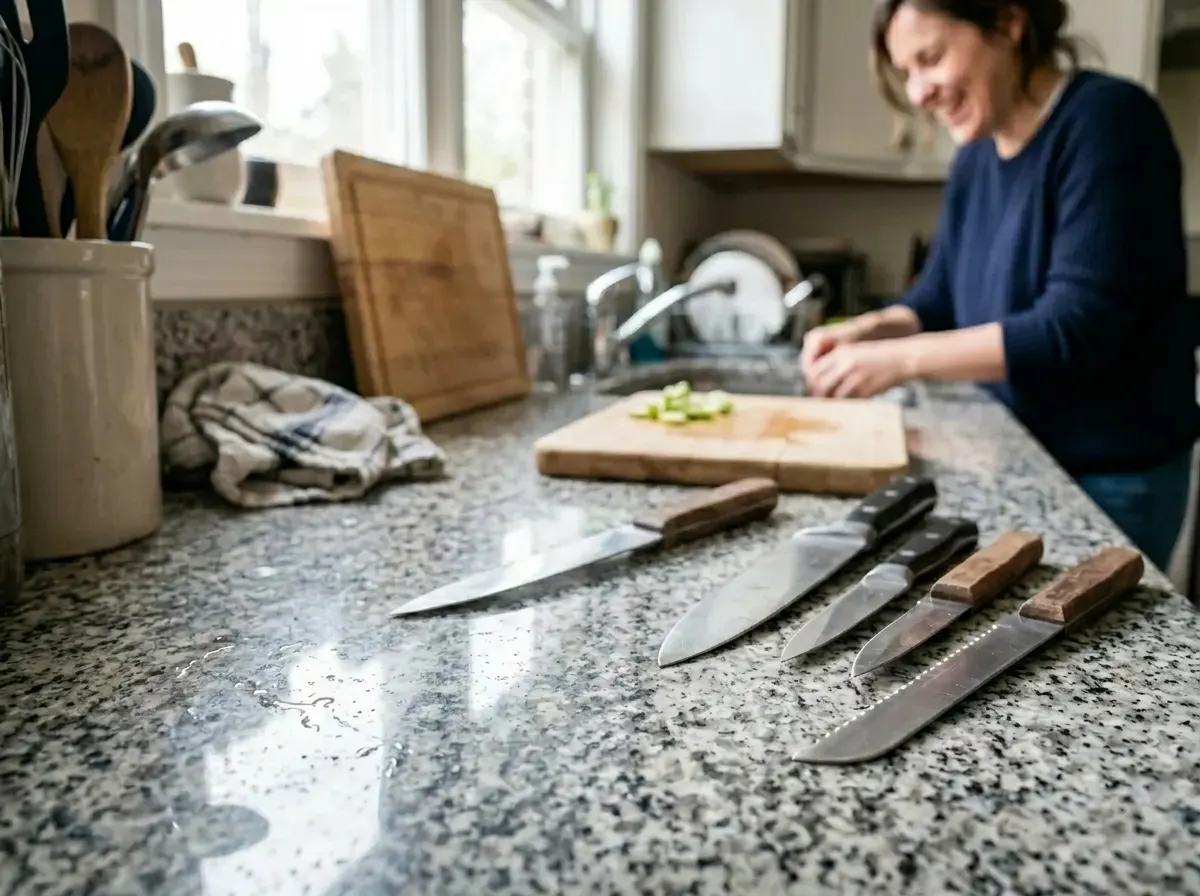
One Angle Can't Fix Every Knife
The single-slot sharpeners most people own were built for one blade shape at one angle. Your drawer isn't one shape — it's a paring knife, a heavy chef's blade, a slicer, each needing its own touch. A system with several rotating stages matches the tool to the knife, so every blade gets the edge it was actually designed for.

Even Serrated Knives Can Come Back to Life
Here's the one almost everyone gives up on: serrated blades. Bread knives, steak knives, that tomato knife — most sharpeners can't touch the teeth, so people just live with them going blunt. But serrated edges can be restored, and getting them back means you stop replacing the very knives you use most at the table.
Revive Serrated Knives
You Cook Like a Pro When Your Blades Cut Like One
Ask any cook what separates a smooth kitchen from a stressful one and a sharp knife is near the top. A keen edge glides. Onions fall in even slices, herbs don't bruise, chicken parts cleanly. Meal prep stops being a chore and starts feeling controlled. That confidence isn't a knife skill you're missing; it's an edge you've been living without.
Cook With Confidence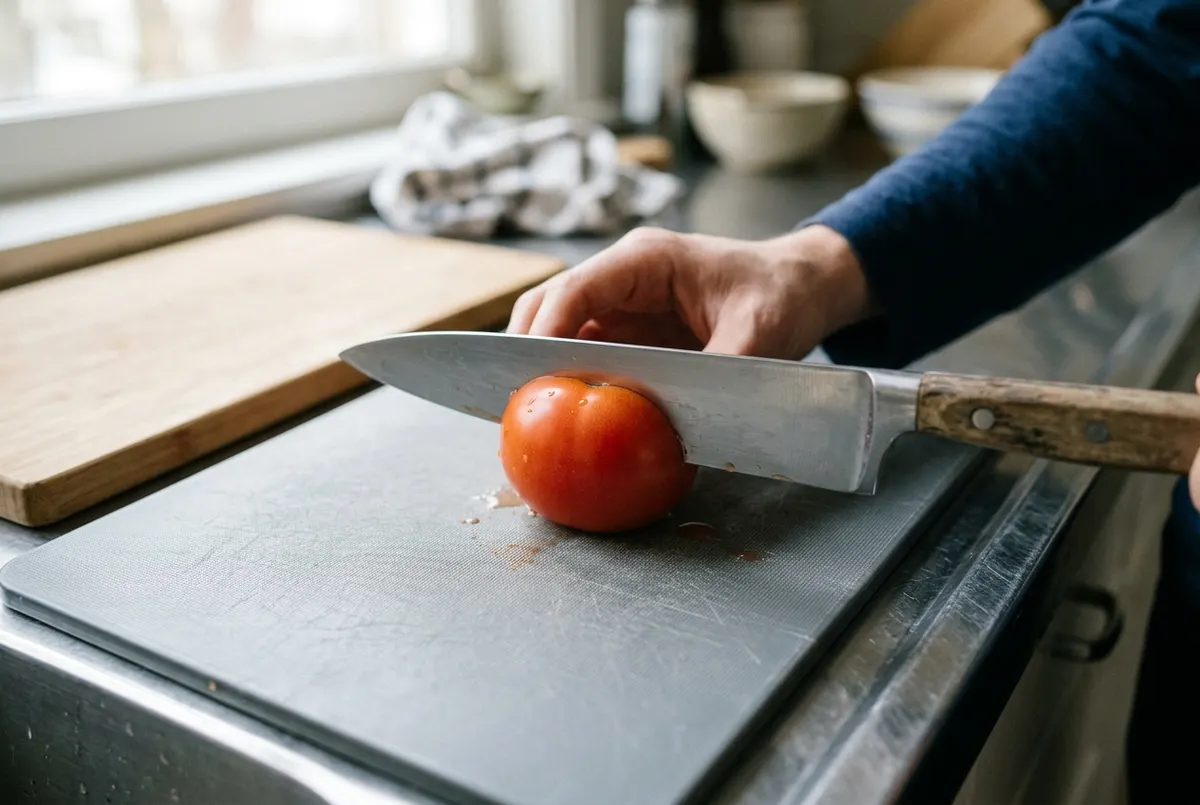
A Restored Edge Is a Safer Edge
It sounds backwards, but dull knives cause more accidents than sharp ones. A blunt blade slides off tomato skin and slips toward your fingers, so you push harder and lose control. A sharp edge bites where you place it and needs almost no force. Bringing your knives back doesn't just make prep faster — it makes it noticeably safer.
Make Prep SaferMeet the Croco Dial Knife Sharpener
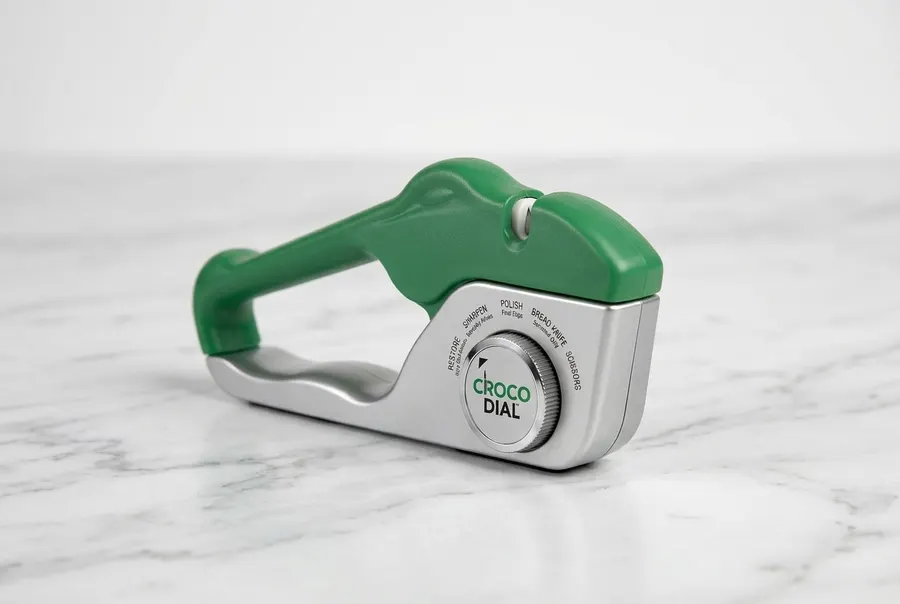
The Croco Dial checks every box. It carries five rotating sharpeners made of ultra-hard tungsten carbide and solid ceramic — so the paring knife, the chef's blade, and the slicer each get the right angle instead of one-size-fits-none.
It's the rare tool that restores serrated knives, the ones you were about to give up on.
The gentle five-stage system shapes an edge back to razor-sharp in seconds without grinding your blades away, which is exactly how it stretches their lifespan and saves you money on replacements. Non-slip grip pads hold it steady so every pass stays safe and controlled. It's the whole rescue mission in one dial — and it's not sold on Amazon.
How quickly do results show up?
Restoring an edge isn't a weekend project. The whole appeal of a multi-stage tungsten-and-ceramic system is speed — here's what a first sharpen actually looks like from the moment a dull blade hits the dial.
Get Started Today
Questions home cooks ask before their first sharpen
The three questions every buyer asks before committing — and what actually matters